Futsal vs Football: Understanding the Key Differences
Both futsal and football share the same DNA - score goals by kicking a ball into the opponent's net. But that's where the obvious similarities end. Whether you're a seasoned player or just getting started, understanding the differences between these two sports will help you choose the right one for your playing style.
What is Futsal?
Futsal is an indoor variant of football played on a hard court surface. The name comes from the Spanish "fútbol sala" (indoor football). Developed in Uruguay in the 1930s, futsal has become the preferred small-sided game format recognized by FIFA.
The Key Differences
1. Playing Surface and Pitch Size
Football (Turf):
- Played on synthetic or natural grass
- Full-size pitch: 100-110m x 64-75m
- Mini football/5-a-side: approximately 40m x 30m
Futsal:
- Played on hard court (similar to basketball court)
- Standard pitch: 38-42m x 20-25m
- Smaller, more confined space
2. Team Size
Football: 11 players per side (7 for mini football, 5-6 for casual turf games)
Futsal: 5 players per side (including goalkeeper)
3. The Ball
This is one of the most significant differences:
Football:
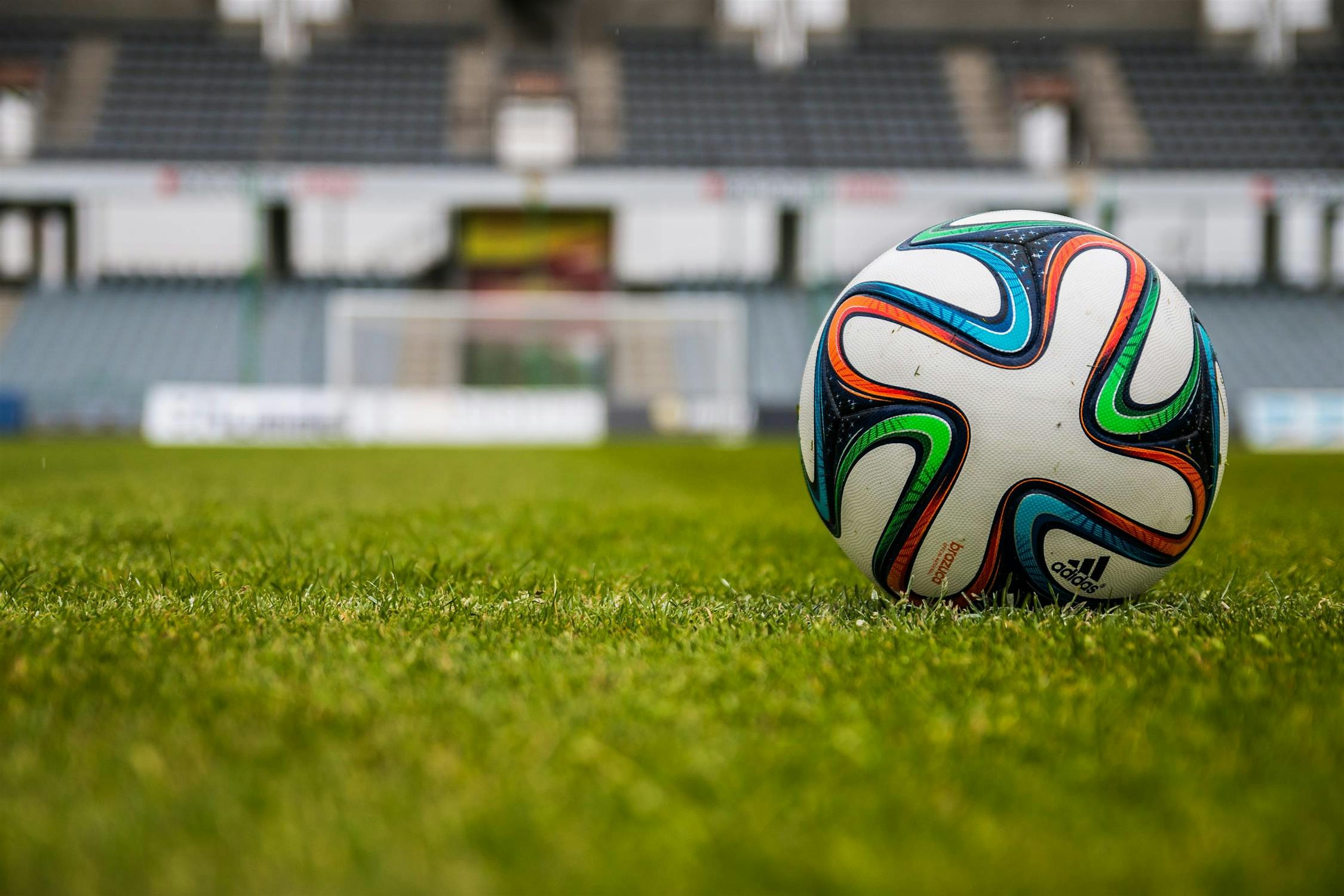
- Standard size 5 ball
- Higher bounce
- Weight: 410-450 grams
Futsal:
- Size 4 ball with reduced bounce
- Heavier feel despite smaller size
- Weight: 400-440 grams
- 30% less bounce than regular football
The low-bounce futsal ball is specifically designed to stay on the ground, encouraging close control and quick passing.
4. Game Duration
Football: 90 minutes (two 45-minute halves)
Futsal: 40 minutes (two 20-minute halves with stopped clock)
The stopped clock in futsal means the game pauses when the ball goes out of play, leading to more actual playing time.
5. Rules and Gameplay
Slide Tackles:
- Football: Allowed (within rules)
- Futsal: Generally prohibited, leading to cleaner play
Goal Kicks:
- Football: Kicked from goal area
- Futsal: Thrown by goalkeeper (must release within 4 seconds)
Offside:
- Football: Offside rule applies
- Futsal: No offside rule
Substitutions:
- Football: Limited substitutions
- Futsal: Unlimited "flying" substitutions
Playing Style Comparison
Futsal Develops:
- Close Ball Control: The smaller space demands excellent first touch
- Quick Decision Making: Less time and space means faster thinking
- Technical Skills: Dribbling, passing accuracy, and creativity flourish
- Defensive Awareness: Constant pressure requires smart positioning
Football Emphasizes:
- Physical Endurance: Larger pitch demands more running
- Long Passing: Ability to switch play and use the full width
- Tactical Positioning: More complex formations and strategies
- Aerial Ability: Headers and long balls play a bigger role
Why Many Professionals Played Futsal
Legends like Ronaldinho, Messi, Neymar, and Cristiano Ronaldo all developed their skills playing futsal in their youth. The confined space and quick play accelerate technical development.
Benefits of futsal training:
- Touches the ball 600% more often than in football
- Develops ambidextrous ability
- Improves spatial awareness
- Enhances quick reflexes
Which Should You Play?
Choose Futsal if:
- You want to improve your technical skills rapidly
- You enjoy fast-paced, high-scoring games
- You have limited players (5-a-side is easier to organize)
- You prefer playing indoors
- You're recovering from injury (less physical contact)
Choose Football if:
- You enjoy the full tactical complexity of the game
- You want more physical exercise per session
- You prefer playing on grass/turf
- You're training for competitive football leagues
- You enjoy longer, more strategic matches
The Best of Both Worlds
At Turf 360, we encourage players to enjoy both formats. Our synthetic turf is perfect for casual football and futsal-style games, allowing you to experience the benefits of both sports.
Many players find that alternating between futsal and football:
- Prevents training monotony
- Develops a more complete skill set
- Provides variety in their sporting routine
- Improves overall football intelligence
Tips for Transitioning Between Sports
Football to Futsal:
- Focus on keeping the ball close
- Speed up your decision-making
- Work on quick, short passes
- Prepare for more physical intensity in shorter bursts
Futsal to Football:
- Practice longer passes
- Build endurance for the larger pitch
- Learn to use space effectively
- Adjust to the higher-bouncing ball
Whether you choose futsal, football, or both, the most important thing is to get out there and play. Both sports offer incredible physical and mental benefits while being genuinely fun. See you on the pitch!